This post has already been read at least 11270 times!
The Permanent Secretary of the Ministry of Defence, Richard Pheelangwah, has called for a major strengthening of military healthcare services, declaring that Defence Health Maintenance Limited (DHML) is now more indispensable than ever amid Nigeria’s intensifying security environment.
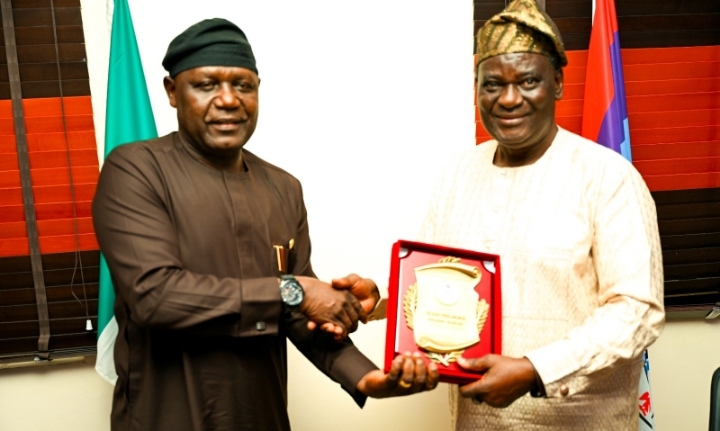
Speaking during a familiarisation visit to the headquarters of DHML in Abuja on Wednesday, Pheelangwah stressed that no serving personnel, officer, or veteran should be excluded from access to quality healthcare, particularly in a period defined by complex and prolonged security operations.
“DHML is more needed today than ever before, and no soldier, no officer, and no veteran must be left behind when it comes to healthcare,” he stated.
He observed that Nigeria’s evolving security landscape—characterised by asymmetric warfare, counter-insurgency campaigns, and extended troop deployments—has significantly increased both the physical and psychological burden on military personnel. According to him, the growing number of retired personnel further underscores the urgency for a responsive and sustainable healthcare framework that preserves dignity and recognises years of service.
In this regard, Pheelangwah described DHML not merely as a support agency but as “a strategic pillar of national defence,” urging its leadership to respond with renewed commitment, innovation, and discipline.
The Permanent Secretary explained that his visit was part of broader efforts to strengthen administrative oversight while gaining direct insight into the organisation’s operational realities, achievements, and constraints. He noted that the engagement also reaffirmed the Ministry’s commitment to improving welfare systems for personnel and enhancing coordination across its agencies.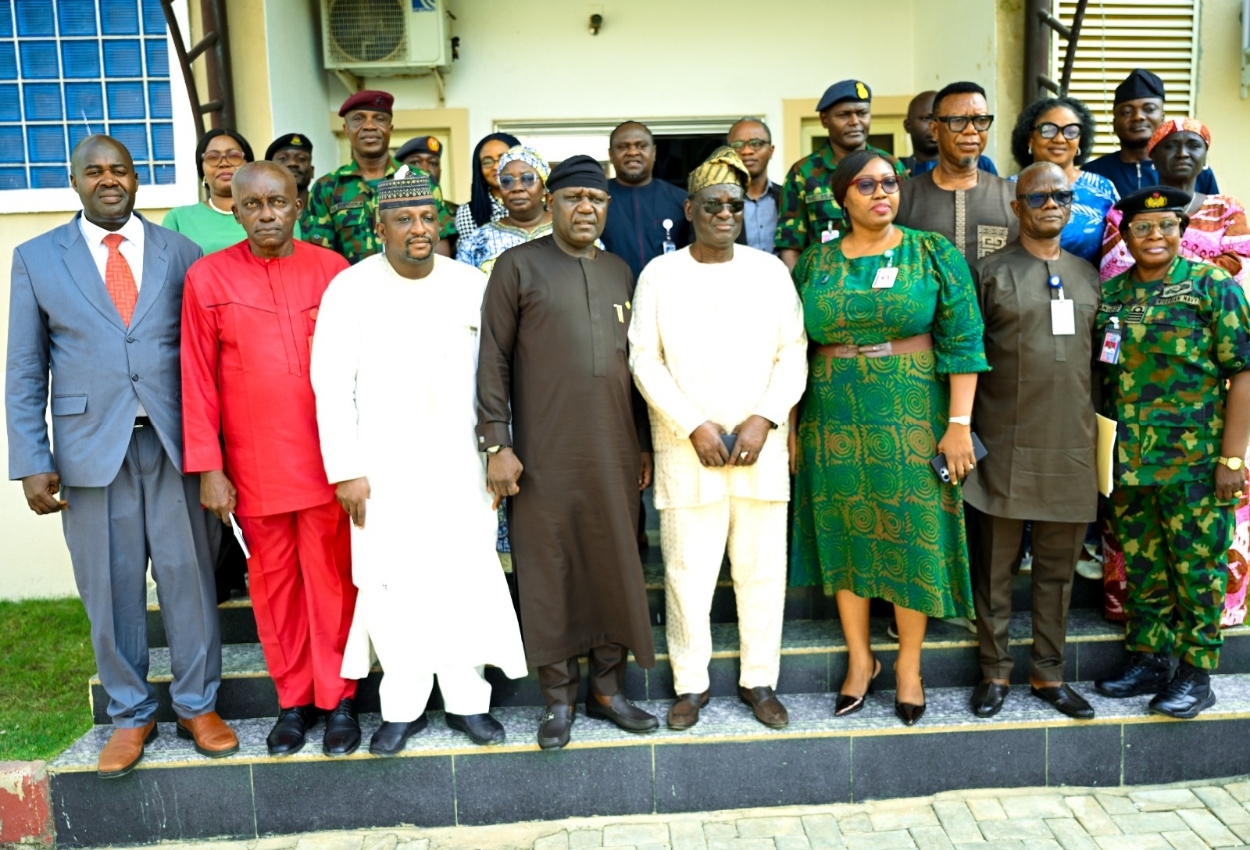
Commending DHML’s performance since its establishment in 2005, Pheelangwah highlighted its role as a specialised Health Maintenance Organisation dedicated to military personnel. He pointed to its coverage of over 110,000 veterans and their dependents through a wide network of military and civilian healthcare providers, as well as its compliance with regulatory standards set by the National Health Insurance Authority (NHIA).
“These milestones reflect a strong commitment to quality assurance and regulatory discipline,” he said, urging the management to consolidate these gains in line with the Ministry’s health policy framework.
However, he acknowledged persistent operational challenges, including delays in payments to healthcare providers, limited access to specialised tertiary care, and logistical bottlenecks. While describing these issues as significant, he maintained they are surmountable through coordinated and innovative interventions.
Among proposed solutions, Pheelangwah advocated for expanded partnerships with tertiary health institutions to ease referral constraints, deployment of telemedicine platforms to reach personnel in remote or conflict-prone areas, and improved logistics coordination with Service Medical Corps to enhance emergency response capabilities.
He assured that the Ministry would continue to provide the policy direction and institutional support necessary for DHML to fulfil its mandate effectively.
The Permanent Secretary also credited the administration of President Bola Ahmed Tinubu, Commander-in-Chief of the Armed Forces, for prioritising national security and personnel welfare. He further commended the Minister of Defence and Minister of State for Defence for their roles in strengthening the Armed Forces’ capacity and welfare architecture.
Earlier, the Managing Director/Chief Executive Officer of DHML, Surg. Rear Admiral A.B. Afolayan (rtd), disclosed that the organisation currently operates across all 36 states and the Federal Capital Territory, providing beneficiaries with free access to healthcare services through over 135 accredited providers spanning primary, secondary, and tertiary levels.
Despite these achievements, Afolayan identified key challenges, including irregular premium releases, lack of harmonised personnel data, and inadequate awareness of DHML services among veterans. He noted that many eligible beneficiaries remain uninformed about how to access the scheme.
The event drew senior officials and management staff from both the Ministry of Defence and DHML, reinforcing ongoing efforts to reposition military healthcare delivery in line with emerging national security realities.
This post has already been read at least 11270 times!
About the Author

Discover more from The Street Reporters Newspaper
Subscribe to get the latest posts sent to your email.