
This post has already been read at least 11123 times!
A coalition of concerned members of the All Progressives Congress (APC) in Bashar District of Wase Local Government Area has condemned what it described as a systemic lockout of other constituencies from elective offices, calling for the immediate adoption of a binding zoning arrangement to restore equity and inclusion.
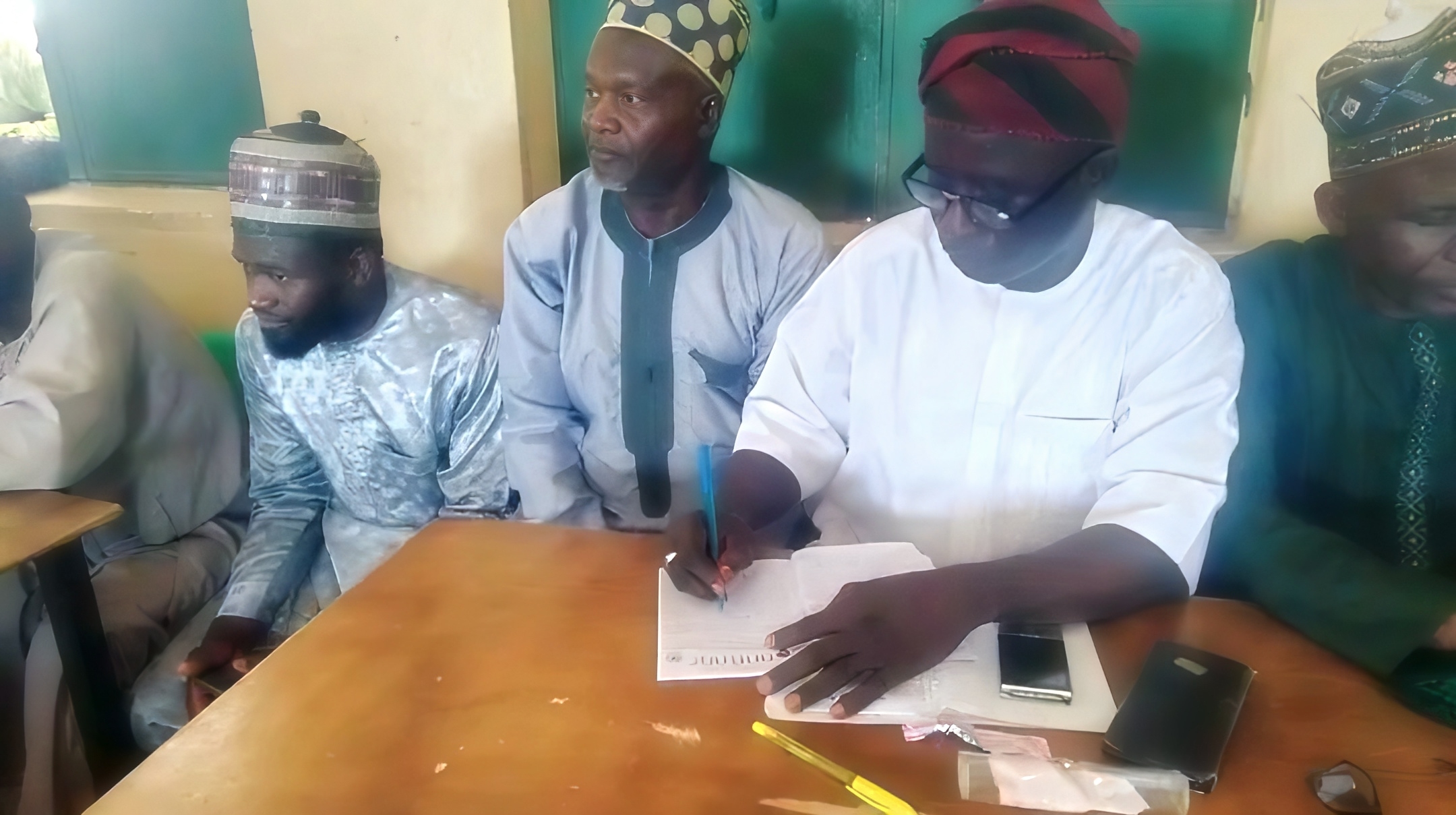
The group, operating under the banner of Wase Concerned Patriots Citizens for Zoning, made its position known after a strategic stakeholders’ meeting convened in the district. The meeting was led by community figure Dalhatu Abdullahi, alongside party officials and grassroots members drawn from the six wards of Bashar.
At the heart of their agitation is the prolonged tenure of Ahmed Idris, who has represented the constituency in the House of Representatives for approximately two decades. The stakeholders argued that such extended occupancy of a single mandate undermines democratic rotation, weakens accountability, and restricts access to political participation for emerging leaders.
“Twenty years translates to an entire political generation disenfranchised,” the group stated. “The uninterrupted occupation of one mandate by a single individual violates the principle of periodic accountability and reduces public office to a private estate.”
They described zoning as a non-negotiable institutional mechanism rather than a matter of political convenience, insisting it remains the most viable safeguard against the entrenchment of personal political fiefdoms. According to the stakeholders, equitable zoning would ensure balanced representation, fair resource allocation, and dismantle what they termed “pseudo-dynastic control” in Wase politics.
In a statement issued at the end of the meeting, Abdullahi declared that the resolution represented “a collective indictment of political perpetuity,” warning that no democratic system can thrive where access to power becomes a de facto inheritance.
“Equitable zoning is not appealable — it is the bedrock of inclusive governance,” he said. “We demand that all stakeholders place institutional survival above individual ambition.”
The group further aligned its position with what it described as the APC’s broader orientation toward zoning, praising the party for promoting structures that encourage leadership rotation and inclusivity. They, however, stressed the need for formal codification of zoning principles within the party framework in Wase to prevent future dominance by any single bloc or individual.
Stakeholders at the meeting unanimously urged party leaders and political actors across Wase Local Government Area to adopt the zoning formula as a binding political covenant, cautioning that failure to do so would perpetuate exclusion under the guise of electoral choice.
The development signals growing internal pressure within the APC in Plateau State, as grassroots actors increasingly demand structural reforms to address perceived imbalances in representation ahead of future electoral cycles.
This post has already been read at least 11123 times!
About the Author

Discover more from The Street Reporters Newspaper
Subscribe to get the latest posts sent to your email.