This post has already been read at least 11136 times!
Nigeria has taken a significant step toward strengthening its national security architecture following the sealing of a comprehensive defence partnership with Türkiye at the Antalya Diplomacy Forum 2026, with agreements spanning military training, technology transfer, and maritime cooperation.
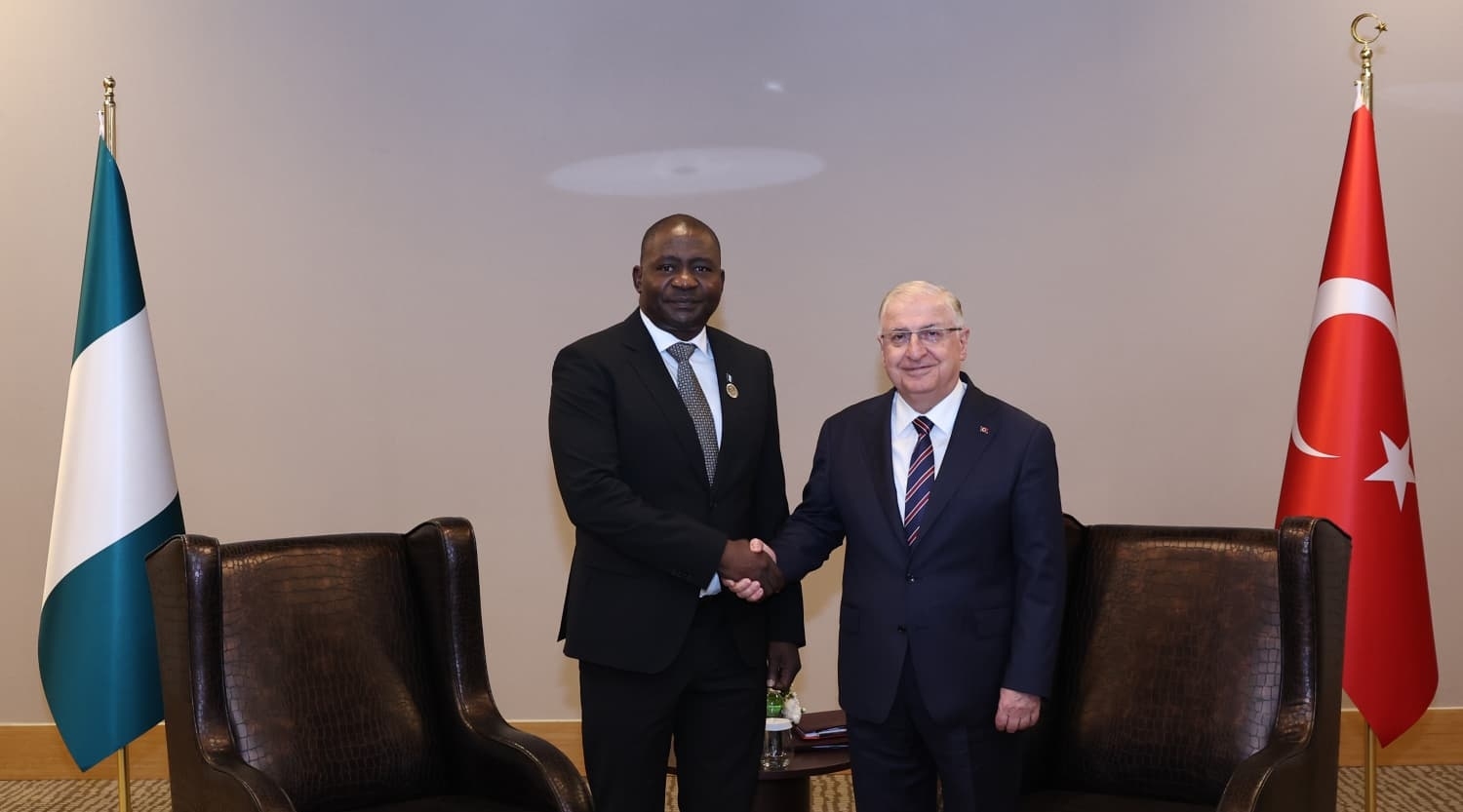
The high-level engagement, led by Nigeria’s Minister of Defence, Christopher Gwabin Musa, brought together senior defence officials from both nations and culminated in a series of outcome-driven commitments aimed at modernising Nigeria’s armed forces and enhancing operational readiness.
The bilateral talks reaffirmed the longstanding relationship between both countries while aligning the new defence framework with the policy direction of President Bola Ahmed Tinubu’s Renewed Hope Agenda. Central to the agreements is an ambitious training and capacity development programme, under which Türkiye will provide structured military training for Nigerian personnel in specialised areas such as counterterrorism, intelligence integration, special operations, and counter-drone warfare. Both countries also agreed to establish a major military training facility in Nigeria, with plans already underway for a temporary site and a permanent coastal-based centre of excellence. 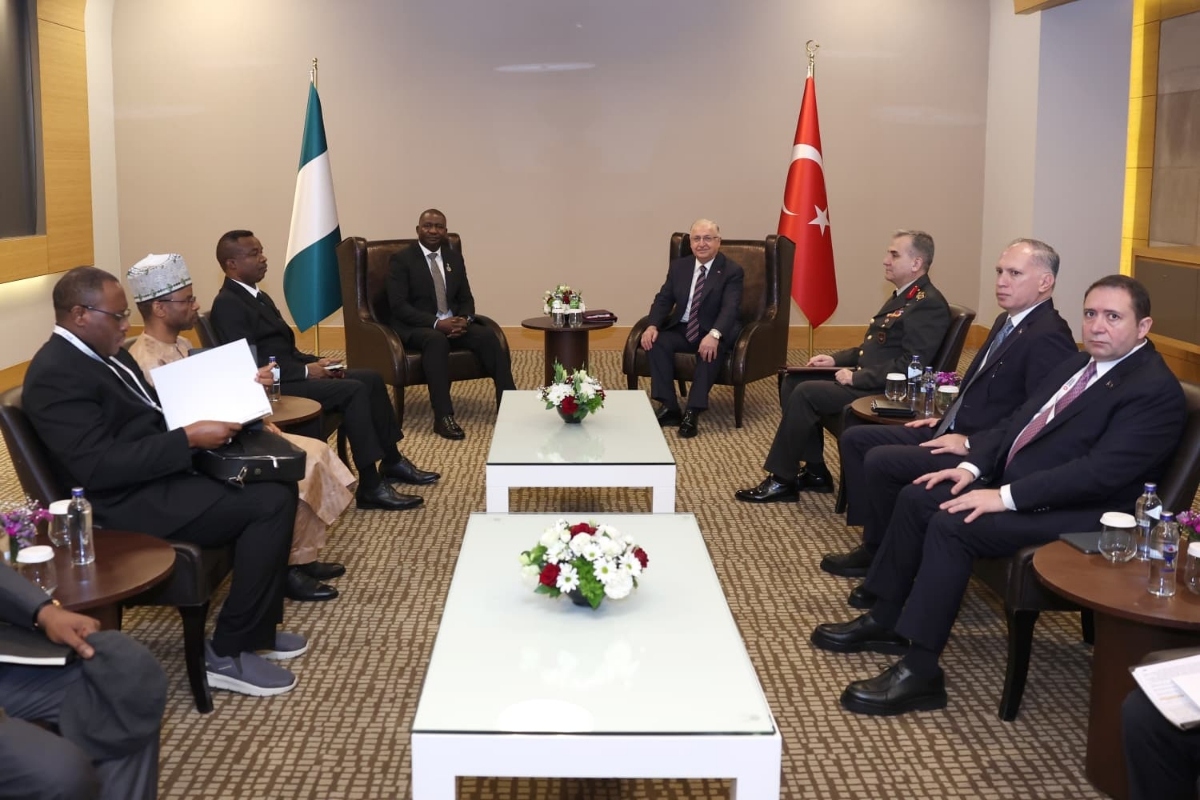
Beyond training, the partnership places strong emphasis on defence industrial cooperation, including technology transfer, joint development initiatives, and maintenance capability enhancement. The collaboration is expected to leverage international defence platforms such as IDEF 2026 to deepen institutional ties and promote indigenous production capacity within Nigeria’s defence sector. Turkish authorities also signalled readiness to support Nigeria with advanced surveillance systems, unmanned aerial platforms, and specialised combat equipment tailored to the country’s security environment.
The agreement further extends to critical areas of border and internal security, where both nations committed to immediate technical engagements to deploy integrated border management systems and strengthen intelligence-sharing mechanisms. In addressing post-conflict challenges, Türkiye offered to share expertise in disarmament and reintegration programmes to support Nigeria’s ongoing efforts in rehabilitating surrendered combatants and stabilising affected communities.
In the aviation and maritime domains, the partnership outlines robust support for the Nigerian Air Force and Navy. This includes improving aircraft maintenance systems, expanding operational flight hours, and exploring the acquisition of helicopters and unmanned systems. Naval cooperation will involve joint assessments of suitable maritime platforms and specialised training to enhance Nigeria’s maritime domain awareness, particularly in securing its coastal and offshore assets.
Speaking after the meeting, General Musa described the outcomes as a “significant step forward” in bilateral defence relations, stressing that the focus would now shift to implementation with measurable results. According to the Ministry of Defence, immediate next steps include the deployment of Nigerian personnel for training in Türkiye, commencement of technical exchanges on border surveillance, and planning for both temporary and permanent training infrastructure within Nigeria.
The agreements reached in Antalya are expected to be formalised through official channels in the coming weeks, marking what defence analysts view as a strategic recalibration of Nigeria’s military partnerships in response to evolving security threats.
This post has already been read at least 11136 times!
About the Author

Discover more from The Street Reporters Newspaper
Subscribe to get the latest posts sent to your email.