This post has already been read at least 11125 times!
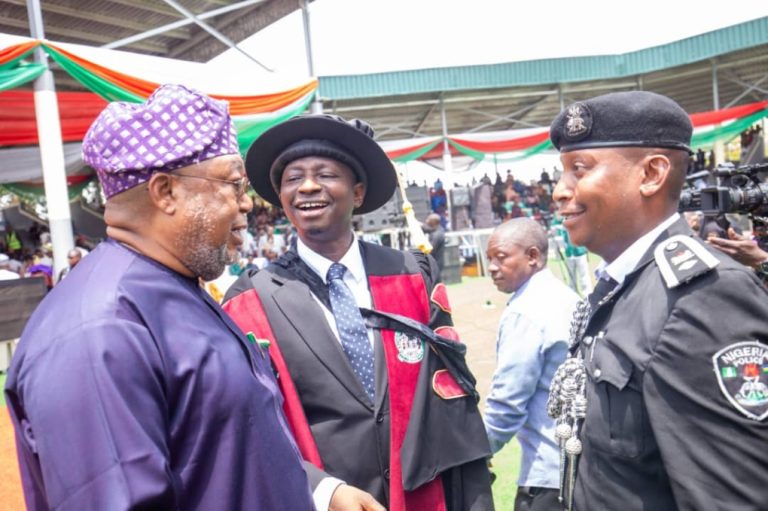
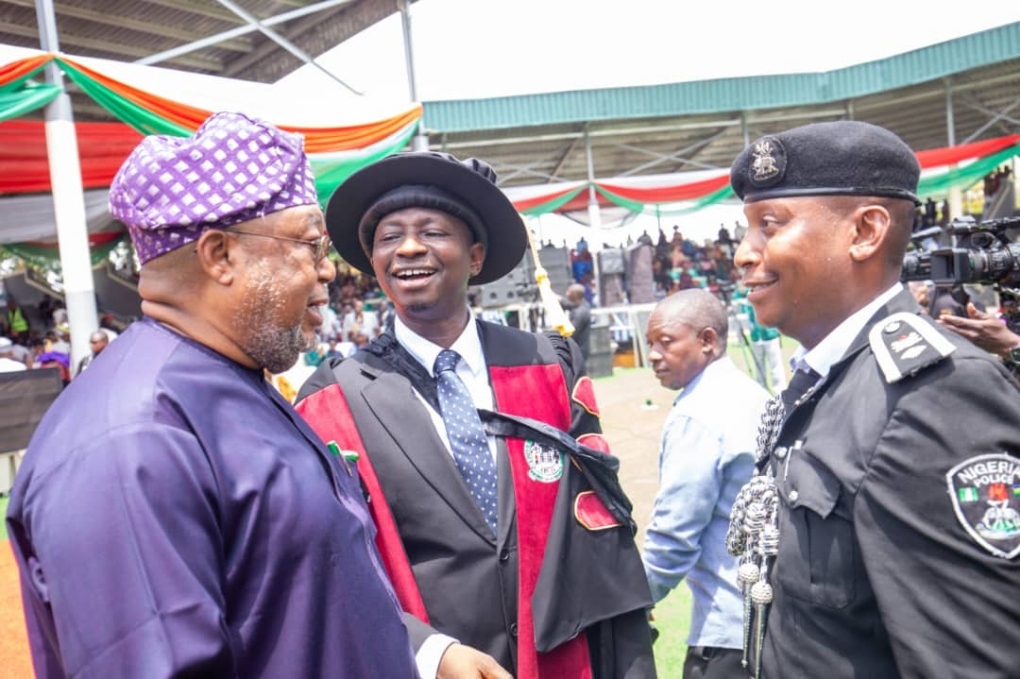
At the convocation arena of the University of Abuja, what began as a celebration of academic excellence gradually unfolded into something more politically symbolic—an emergence, perhaps, of a statesman positioning himself for higher national responsibility.
Amid the sea of gowns and accolades, the conferment of a Doctor of Philosophy (Ph.D.) in Policy and Strategic Studies (PSS) on Alhaji Mohammed Ajia Ibrahim stood out not merely as a personal milestone, but as a statement of intent.
Ajia Ibrahim, a respected traditional titleholder—the Dan Amanan Fune Emirate of Yobe State and Nwanne Ukwu Di Na Mba of Amaba-Ukwu Item in Abia State—has long occupied a space within Nigeria’s socio-political landscape. Yet, this latest academic attainment appears to redefine that space, signaling a transition from influence to structured leadership grounded in both intellectual depth and practical experience. For many observers at the ceremony, this was not just another doctoral graduation; it was the sharpening of a political instrument.
The timing is significant. Kwara State, like many parts of Nigeria, continues to grapple with rising concerns over insecurity, governance challenges, and socio-economic uncertainty. Within this context, voices across the state—cutting across prominent statesmen, community leaders, religious figures, youth groups, and women—have increasingly turned toward Ajia Ibrahim, urging him to step forward and declare his interest in representing Kwara Central Senatorial District at the Red Chamber of the National Assembly.
These calls are not without foundation. Ajia’s trajectory reflects a blend of traditional legitimacy, administrative exposure, and now, a rigorous academic grounding in policy and strategy. His doctoral training at the University of Abuja’s Centre for Leadership has equipped him with analytical tools essential for navigating modern governance—policy formulation, national security strategy, institutional reforms, and leadership in complex political environments.
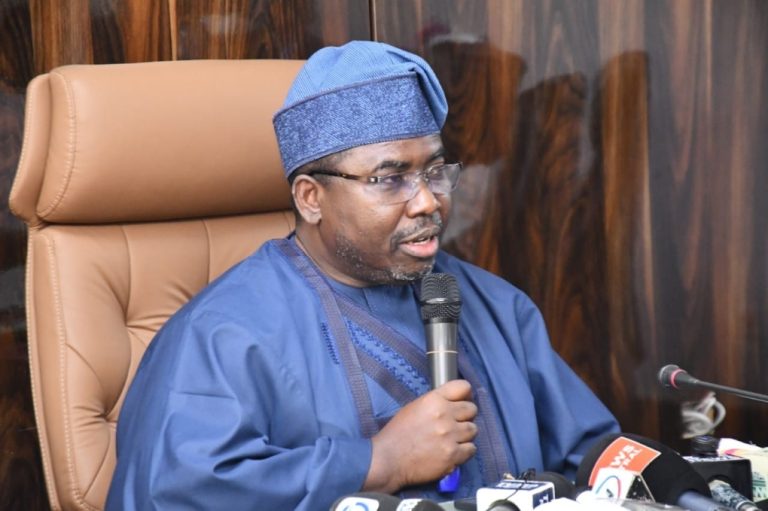
Speaking in Abuja shortly after the convocation, Ajia Ibrahim did not dismiss the growing political expectations. Rather, he acknowledged them with a tone of readiness that suggests more than casual interest. He stated that he is “readily prepared to bring both practical and theoretical knowledge to bear in the affairs of not only Kwara State but Nigeria in general,” a remark many interpret as a subtle but firm indication of political ambition.
At a graduation dinner held in honour of the graduands later that evening, Ajia’s message carried undertones of leadership responsibility. While the occasion remained celebratory, his reflections extended beyond personal success. He spoke about perseverance, national development, and the need for strategic thinking in leadership—phrases that resonate strongly within Nigeria’s current political climate. His emphasis on building networks, fostering collaboration, and translating knowledge into impact aligns closely with expectations of a modern legislator.
For Kwara State, the implications are particularly compelling. The state has, in recent years, faced criticism over security lapses and governance gaps, fueling public demand for leaders who combine experience with fresh intellectual capacity. Ajia Ibrahim’s emergence fits squarely within this narrative, presenting a figure who embodies both inherited leadership values and acquired academic sophistication.
Political analysts note that his appeal cuts across multiple constituencies. His traditional titles grant him cultural credibility beyond regional boundaries, while his academic and professional engagements position him within Nigeria’s elite policy and governance circles. More importantly, his connection to grassroots stakeholders—youths, women, and community leaders—suggests a potential bridge between policy formulation and real-world impact.
The convocation ceremony itself, which also honoured three prominent Nigerians with honorary degrees, served as a backdrop to this unfolding narrative. While others were celebrated for past contributions, Ajia Ibrahim’s moment appeared forward-looking—a recognition not only of what he has achieved, but of what many believe he is poised to do.
In a country where leadership is increasingly judged by both competence and credibility, his Ph.D. in Policy and Strategic Studies adds a critical layer to his profile. It reinforces the notion that governance in the 21st century demands more than charisma or influence; it requires informed decision-making, strategic foresight, and the capacity to engage complex national issues.
As the final moments of the convocation faded and celebrations gave way to reflection, one message lingered: this was more than an academic milestone. It was a declaration—quiet but unmistakable—that Alhaji Mohammed Ajia Ibrahim is stepping into a broader arena.
Whether or not he formally declares his candidacy in the coming months, the signals are already clear. Backed by calls from across Kwara State and armed with both natural leadership instincts and newly acquired academic insight, Ajia Ibrahim appears ready to transition from scholar to statesman on a larger national stage.
And in a time when Kwara—and indeed Nigeria—searches for direction amid uncertainty, his emergence may well be part of a broader political recalibration already underway.
This post has already been read at least 11125 times!
About The Author

Discover more from The Street Reporters Newspaper
Subscribe to get the latest posts sent to your email.